Descriere YEO:
Pe YEO găsești Learning Data Science: Data Wrangling, de la Sam Lau, în categoria Mathematics.
Indiferent de nevoile tale, Learning Data Science: Data Wrangling, Exploration, Visualization, and Modeling with Python - Sam Lau din categoria Mathematics îți poate aduce un echilibru perfect între calitate și preț, cu avantaje practice și moderne.
Preț: 502.15 Lei
Caracteristicile produsului Learning Data Science: Data Wrangling,
- Brand: Sam Lau
- Categoria: Mathematics
- Magazin: libris.ro
- Ultima actualizare: 05-06-2025 16:21:01
Comandă Learning Data Science: Data Wrangling, Online, Simplu și Rapid
Prin intermediul platformei YEO, poți comanda Learning Data Science: Data Wrangling, de la libris.ro rapid și în siguranță. Bucură-te de o experiență de cumpărături online optimizată și descoperă cele mai bune oferte actualizate constant.
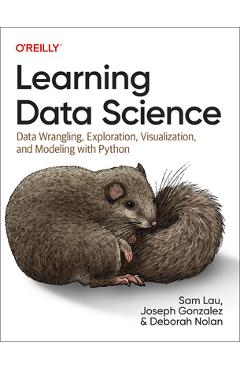
Descriere magazin:
As an aspiring data scientist, you appreciate why organizations rely on data for important decisions--whether it\'s for companies designing websites, cities deciding how to improve services, or scientists discovering how to stop the spread of disease. And you want the skills required to distill a messy pile of data into actionable insights. We call this the data science lifecycle: the process of collecting, wrangling, analyzing, and drawing conclusions from data.
Learning Data Science is the first book to cover foundational skills in both programming and statistics that encompass this entire lifecycle. It\'s aimed at those who wish to become data scientists or who already work
with data scientists, and at data analysts who wish to cross the technical/nontechnical divide. If you have a basic knowledge of
Python programming, you\'ll learn how to work
with data using industry-standard tools like pandas. Refine a question of interest to one that can be studied
with data Pursue data collection that may involve text processing, web scraping, etc. Glean valuable insights about data through data cleaning, exploration, and visualization Learn how to use modeling to describe the data Generalize findings beyond the data