The Education of Clarence Three Stars: A Lakota American Life - Philip Burnham
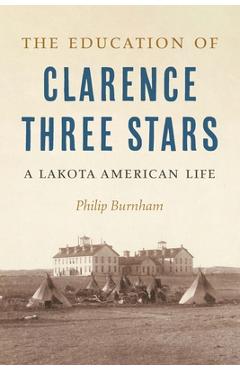
Detalii The Education of Clarence Three

libris.ro
195.02 Lei
216.69 Lei
Social Science
Philip Burnham
The Education of Clarence Three - Disponibil la libris.ro
Pe YEO găsești The Education of Clarence Three de la Philip Burnham, în categoria Social Science.
Indiferent de nevoile tale, The Education of Clarence Three Stars: A Lakota American Life - Philip Burnham din categoria Social Science îți poate aduce un echilibru perfect între calitate și preț, cu avantaje practice și moderne.
Preț: 195.02 Lei
Caracteristicile produsului The Education of Clarence Three
- Brand: Philip Burnham
- Categoria: Social Science
- Magazin: libris.ro
- Ultima actualizare: 05-06-2025 16:21:01
Comandă The Education of Clarence Three Online, Simplu și Rapid
Prin intermediul platformei YEO, poți comanda The Education of Clarence Three de la libris.ro rapid și în siguranță. Bucură-te de o experiență de cumpărături online optimizată și descoperă cele mai bune oferte actualizate constant.
Descriere magazin:
In The Education of Clarence Three Stars Philip Burnham tells the life story of the remarkable Packs the Dog, a member of the Minneconjou Lakotas who was born in 1864 east of the Black Hills. His father, Yellow Knife, died when the boy was five, and the family eventually enrolled at Pine Ridge Agency with the Oglalas under an uncle\'s name, Three Stars. In 1879 Packs the Dog joined the first class of Indian students to be admitted to the Carlisle Indian Industrial School. An enthusiastic student, Clarence Three Stars, as he would come to be known, was one of five Lakota children who volunteered to stay at Carlisle after the three-year plan of instruction was finished--though he eventually left the school in frustration. Three Stars returned to Pine Ridge and married Jennie Dubray, another Carlisle veteran, and they had seven children. The life of Lakota advocate Three Stars spanned a time of dramatic change for Native Americans, from the pre-reservation period through the Dawes Act of 1887 until just before the Indian Reorganization Act of 1934. Three Stars was a teacher, interpreter, catechist, lawyer, and politician who lived through the federal policy of American Indian assimilation in its many guises, including boarding school education, religious conversion, land allotment, and political reorganization. He used the fundamentals of his own boarding school education to advance the welfare of the Oglala Lakota people, even when his efforts were deemed threatening or subversive. His dedication to justice, learning, and self-governance informed a distinguished career of classroom excellence and political advocacy on his home reservation of Pine Ridge.
Produse asemănătoare
Produse marca Philip Burnham
Indian Country, God\'s Country: Native Americans and the National Parks - Philip Burnham
libris.ro
Actualizat in 28/10/2025
139.22 Lei
The Education of Clarence Three Stars: A Lakota American Life - Philip Burnham
libris.ro
Actualizat in 05/06/2025
195.02 Lei
Song of Dewey Beard: Last Survivor of the Little Bighorn - Philip Burnham
libris.ro
Actualizat in 11/04/2024
121.24 Lei