Those Who Know Don\'t Say: The Nation of Islam, the Black Freedom Movement, and the Carceral State - Garrett Felber
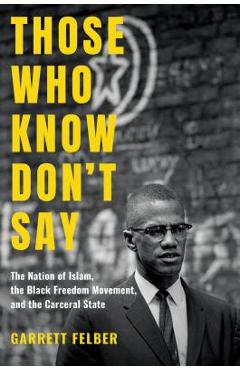
Detalii Those Who Know Don\'t Say:
Those Who Know Don\'t Say: - Disponibil la libris.ro
Pe YEO găsești Those Who Know Don\'t Say: de la Garrett Felber, în categoria History.
Indiferent de nevoile tale, Those Who Know Don\'t Say: The Nation of Islam, the Black Freedom Movement, and the Carceral State - Garrett Felber din categoria History îți poate aduce un echilibru perfect între calitate și preț, cu avantaje practice și moderne.
Preț: 233.95 Lei
Caracteristicile produsului Those Who Know Don\'t Say:
Comandă Those Who Know Don\'t Say: Online, Simplu și Rapid
Prin intermediul platformei YEO, poți comanda Those Who Know Don\'t Say: de la libris.ro rapid și în siguranță. Bucură-te de o experiență de cumpărături online optimizată și descoperă cele mai bune oferte actualizate constant.
Descriere magazin:
Challenging incarceration and policing was central to the postwar Black Freedom Movement. In this bold new political and intellectual history of the Nation of Islam, Garrett Felber centers the Nation in the Civil Rights Era and the making of the modern carceral state. In doing so, he reveals a multifaceted freedom struggle that focused as much on policing and prisons as on school desegregation and voting rights. The book examines efforts to build broad-based grassroots coalitions among liberals, radicals, and nationalists to oppose the carceral state and struggle for local Black self-determination. It captures the ambiguous place of the Nation of Islam specifically, and Black nationalist organizing more broadly, during an era which has come to be defined by nonviolent resistance, desegregation campaigns, and racial liberalism. By provocatively documenting the interplay between law enforcement and Muslim communities, Felber decisively shows how state repression and Muslim organizing laid the groundwork for the modern carceral state and the contemporary prison abolition movement which opposes it. Exhaustively researched, the book illuminates new sites and forms of political struggle as Muslims prayed under surveillance in prison yards and used courtroom political theater to put the state on trial. This history captures familiar figures in new ways--Malcolm X the courtroom lawyer and A. Philip Randolph the Harlem coalition builder--while highlighting the forgotten organizing of rank-and-file activists in prisons such as Martin Sostre. This definitive account is an urgent reminder that Islamophobia, state surveillance, and police violence have deep roots in the state repression of Black communities during the mid-20th century.
Produse asemănătoare


How to Be Everything: A Guide for Those Who (Still) Don\'t Know What They Want to Be When They Grow Up, Paperback/Emilie Wapnick
 elefant.ro
Actualizat in 28/10/2025
45.91 Lei

How To Hold a Cockroach: A book for those who are free and don\'t know it - Allie Daigle
 libris.ro
Actualizat in 28/10/2025
69.93 Lei

Around the Wicket Gate: Help for Those Who Only Know about Christ, Hardcover/Charles Haddon Spurgeon
elefant.ro
Actualizat in 27/10/2025
57.99 Lei
Produse marca Garrett Felber
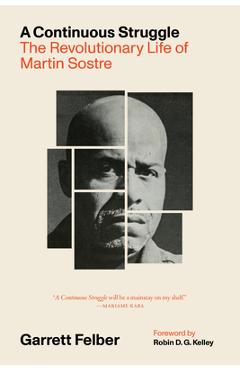
A Continuous Struggle: The Revolutionary Life of Martin Sostre - Garrett Felber
libris.ro
Actualizat in 28/10/2025
178.56 Lei
Those Who Know Don\'t Say: The Nation of Islam, the Black Freedom Movement, and the Carceral State - Garrett Felber
libris.ro
Actualizat in 11/04/2024
233.95 Lei